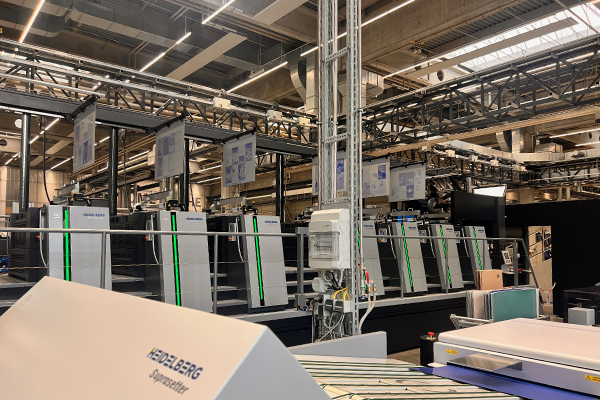
Ever since Benny Landa predicted at Ipex 93 when launching Indigo to the world that nobody would be buying litho presses in the year 2000, the demise of litho has been keenly anticipated. But it has not happened. Litho presses continue to produce the majority of printed pages in the world. They are unchallenged for printing magazines, cartons, books and even flyers.
Forecasts and reports, many supported by digital press suppliers, from the likes of Smithers Pira or Infotrends point to the continuing growth of digital printing across all sectors of the industry, packaging included. And yet digital printing remains in the minority in terms of page volumes, though it is seemingly printing higher value pages. Such reports need careful examination of exactly what is being counted: all print, including office pages, or only production print, newspapers included? Change is happening but it may not be at the pace some think.
The widespread focus on digital print technologies means that the next few pages examining the power of litho printing and looking at the strategies being adopted by the five major suppliers of offset litho presses feels like swimming upstream.
All the momentum in terms of industry changing technology is with the digital press providers. Is it though? Fujifilm’s Jetpress 750, the best established of the inkjet presses, has scarcely dented sales of Speedmaster XL75s over the last decade. HP Indigo presses in this format are more numerous, partly because only these machines can print one off photobooks and similar jobs and existing HP Indigo users expand their businesses (digital printers are more likely to be expanding than litho printers where consolidation is more frequent).
But the industry is changing. The Speedmaster 52 remains in Heidelberg’s portfolio, but it rarely sells a machine in this format. Even sales of B2 litho presses have dwindled.
This is more to do with challenges from digital communication channels than it is to do with digital printing stealing litho’s pie. Digital press suppliers talk confidently about a litho to digital transition through new larger and more productive presses, and there is some indication that this is happening. This new generation of digital presses is also taking work from older digital presses and jobs that are too short for litho to produce comfortably. The much vaunted adoption of personalisation which was key to the early days of digital printing has not happened. There are one off products: photobooks and similar products, personalised packaging for gifts, high value direct mail. Much direct mail continues to use a personalised laser printed letter with static pamphlets, brochures or catalogues as part of the mailing.
In the meantime litho printing has shown over the last three decades that it is very far from dead. Shortly after the launch of the Indigo digital press came computer to plate, arguably a technology that has had far more impact on the printing industry than digital printing. Plates could be loaded to the press automatically setting in train developments that have led to the non stop and autonomous presses of today.
At the end of the century, the industry agreed a set of communication protocols by the name of JDF. It was far from perfect (digital printing was not considered in the original specification) and remains far from perfect. It did though enable prepress to press to finishing integration.
More recently LED UV cured inks have enabled litho to match the turnaround speed of digital printing thanks to instantly dry sheets. Some companies that moved away from litho completely have realised they need a litho press alongside their digital capacity.
Nevertheless overall demand for print has been falling, hit by competition from digital alternatives and a recovery from the 2008 financial crisis that has never really happened. The result has been industry consolidation across the developed markets in the world, particularly for commercial printers. Manufacturers are responding in different ways to these challenges. There has been a long period of cost cutting, for German manufacturers in particular, and reorganisation of funding to remain afloat. Manroland Sheetfed famously did not stay afloat and was rescued by British entrepreneur Tony Langley. His cost saving measures have pursued the logic of reducing overhead with an absolute clarity. It has worked and Manroland is still around.
A visit to Heidelberg’s factory underlines the extent of industry contraction. The halls which once housed a constantly moving assembly line for GTOs have been replaced by lines of warehouses erected by a specialist development company in logistics management. The site is to house other tech businesses. The litho market is certainly not what it was.
That does not make it worthless. Litho presses will be responsible for most of the ink on paper printing across the world for many years to come. Even if new press sales stopped tomorrow there is enough heavy metal on the ground to keep printing for another 20 years or so. That though is not a good strategy. New presses are far more productive than old. Makeready which used to be a differentiating factor between one company and the next has all but vanished thanks to automation. Four colour presses for commercial printing are now eight colour long perfecting machines or have grown to five or six plus coater for more value minded printers. The standard configuration, if there can be such a thing, for carton printers is seven colours followed by a double coater, perhaps with an eighth print unit at the very end.
If the B2 format is less popular than previously some of those printers have chosen to invest in SRA1 presses. This format results in a machine that is not much bigger than a B2 press, remains competitive on B2 work and can print eight A4 pages to view, so can compete with B1 machines for this style of work. It seems that printers are being both more cautious before investing and are choosing configurations that suit their work and applications rather than the same machine as the competitor on the other side of town.
Suppliers no longer build machines for stock, they simply cannot afford to. This does not eliminate those special deals and having a machine that is available because it is the result of a cancelled order. The suppliers in short have been forced into changes because of shifts in the market. Each has developed a strategy that enables them to continue to build lithographic printing presses, the nature of which is changing.
There are promises of harnessing AI to help reduce down time, through better maintenance and automation to virtually eliminate standing time. There are promises of higher production speeds, helping to explain why fewer machines can deliver the volumes that needed twice as many presses just a few years ago. There are promises of integration into wider production networks and signs pointing towards lights out printing.
None of them is ready to walk away from the sector. Most have investments in alternative print technologies, flexo as well as digital, but sheetfed litho remains the most important source of revenue for all the companies.
This is not surprising, litho is the most versatile and most productive technology yet developed for reproducing words and pictures on paper.