
The result from both pulp and paper production gives Lessebo Paper just 25kg of C02 for each tonne of paper. It is so far ahead of the pack that the figure causes some disbelief, but it has been checked by outside bodies, by potential customers and other stakeholders and it stacks up.
A year ago Lessebo Paper took a step further and in collaboration with Latvian book printer Livonia and Bonnier Books announced Livonia Zero Offset by Lessebo Paper, a paper with no unbalanced emissions, the small amount generated in production being offset through a gold standard scheme.
There is no compromise to paper quality. It is intended for four-colour litho printing, has a rough surface to reduce glare and has high opacity. In short it is a no compromise book paper. And it addresses the needs of publishers to cut carbon emissions. “Bonnier wanted a more environmentally friendly alternative to the papers that they are specifying,” says key account manager Ebba Ingvarsson.
Other book publishers are interested in following suit and Lessebo Paper is in deep conversations as a result. “We would like other customers on board as well,” she says. “Over the last 12 months other printers and other publishers have chosen this paper for illustrated and children’s books.” The low carbon emissions have resulted in interest from other quarters: brands that want their packaging to move to a material with the lowest possible footprint and designers wanting an eco choice. What was once about using recycled paper to make a sustainability statement, is now about a minimal carbon footprint and this time there is no compromise to making the more sustainable choice.
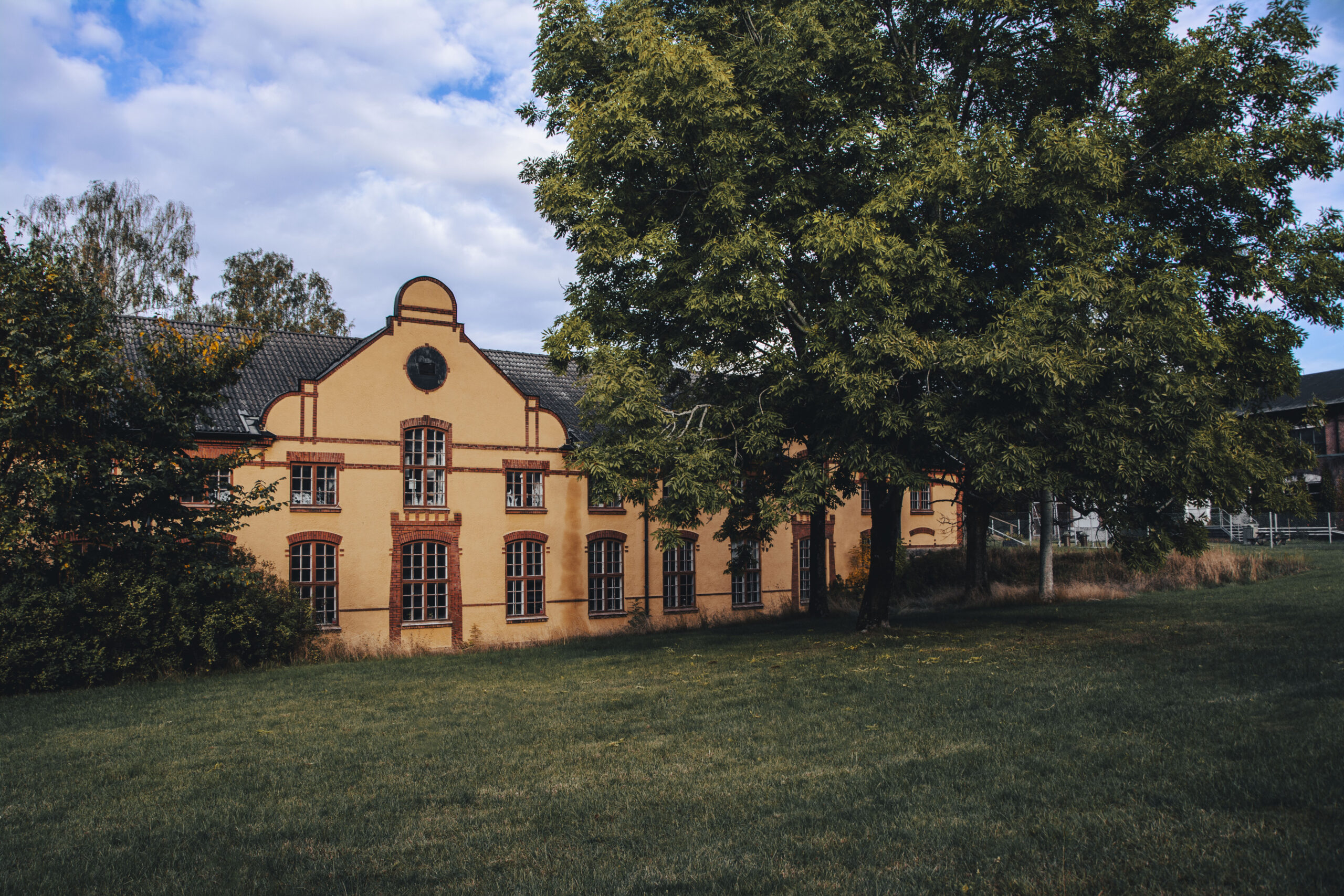
Lessebo is an old mill in the middle of a Swedish forest, in operation for 300 years. This gives the company a sharp appreciation for its surroundings and environment. Its papers are made from birch fibre which is sourced from its immediate surroundings. The biomass boiler is fired from trimmings from the sawmill that are not good enough for commercial timber. Two trees are planted for each one felled.
“We have a very close relationship with the environment,” says Ingvarsson. “The forest is an important factor which is why we invested in biomass before anybody else.”
Other electricity is generated from hydro, wind and solar sources helping to maintain the lowest carbon footprint possible. Pallets come from a company only ten minutes away and are loaded to reduce the impacts of onward transport.
The company has joined the Book Chain Project, a scheme that enables publishers to make the most informed choices about which papers to specify and which printers to use from audits of their impact in terms of carbon emissions and water use. It is also a member of the Paper Profiles association. This not only lists the impact that papers have, members also share ideas in how to cut impacts says Ingvarsson.
Last year Lessebo appointed EBB as UK merchant for Lessebo Colours, a range of coloured papers that had been introduced at the end of 2022. This aims to expand Lessebo’s presence not just in creative design but also in the expanding luxury packaging sector. “This is one of the most environmentally friendly papers on the market. We are very pleased as we can see a positive reaction for these,” says UK and Ireland sales representative for Lessebo Paper Richard Banham.
The journey is not at an end. There are other carbon reduction projects underway. And while the numbers for 2023 are not yet in, Lessebo is confident that its impact will be lower than the year before.

MORE FROM THE MAGAZINE
EXPLORE MORE ON LESSEBO