Advertising spend in 2022 has bounced back compared to 2021, and even exceeded expectations and the industry overcomes the handicap of lockdown.
And the results in the first quarter have led Warc’s researchers to predicate that the market will grow by 10.9% over the year to £35.4 billion, its highest ever total. Almost all the growth stems from growth in online advertising channels, now accounting for 74.3% of the total spend, up from 73.5% in Q1 in 2021.
The post lockdown comparison resulted in a 191.2% increase in cinema advertising, due entirely to the reopening of cinemas this year which had been closed 12 months earlier. Out of home advertising also showed remarkable growth of 146.2% as the population was released from lockdown shackles.
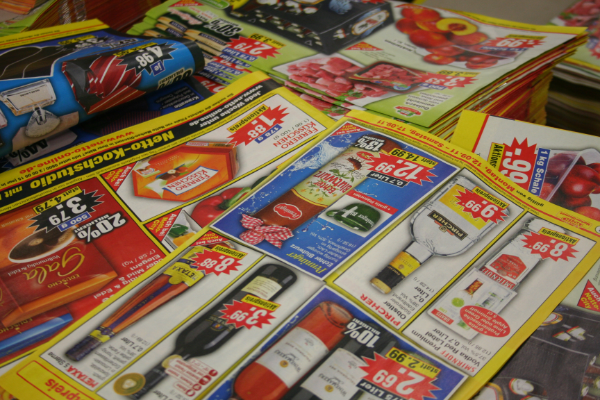
It is not such great news for direct mail where spend grow 15.6% compared to 2021. This was an increase is expectations, but it will not last.
The Warc/Advertising Association reports anticipates a 6.3% fall in spending on direct mail in 2023 even though overall advertising spend is expected to grow 4.4% in 2023.
Other traditional print sectors are also suffering from a preference for digital advertising. Growth in spend on national and regional news brands and on magazine brands is led by online spending rather than on print products. All are expected to decline further in the next year, amounting to a 0.9% decline in real terms.
This is because the forecast growth for 2023 will be eaten up by inflationary presses, leaving advertising to suffer along with other sectors from declining economic activity and reduced government spending.
Advertising Association CEO Stephen Woodford says: It is encouraging to see growth in our industry over Q1, as the economy continues its recovery year-on-year following last year’s Covid-19 lockdown. However, the pressures of inflation on living standards and economic growth are at the top of everyone’s mind, and these rising costs may represent a real-term contraction of nearly 1% in 2023 for UK advertising investment.”
From Warc’s perspective, director of data, intelligence and forecasting James McDonald says: “Inflation is now starting to bite; its impact on the consumer is well documented, but the rising cost of servicing government debt leaves the incoming prime minister with less fiscal flex for stimulating flatlining economic activity. For advertisers, higher costs will carve into margins, and while a real term rise of 1.8% in ad investment is expected this year – compared to a pre-Covid average of +2.6% – the market is now set to contract in 2023.”