Carbon balanced paper is becoming the ‘new FSC’, with more papers becoming carbon balanced at purchase and Carbon Balanced Paper’s scheme fielding a surge in interest from both printers and publishers who are, themselves, becoming carbon balanced.
“We had a lot of inquiries early this year,” says sales and marketing director Greg Selfe, “and then Covid happened. Since the beginning of September, the light has been switched back on.”
The interest is not restricted to printers. Selfe says that the inquiries are coming from brands and retailers as much as from printers. The drivers are the same: there is a need to demonstrate that a brand is operating in an ethical way. And just as brands wanted to carry the FSC logo on printed literature, the World Land Trust endorsement for carbon balanced paper and production is becoming a necessity.
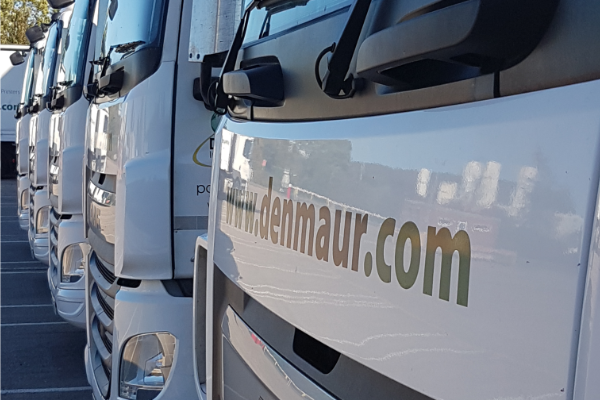
The Harrods Magazine is typical, says Selfe. This is endorsed by Denmaur Paper. It has added UPM Fine to the papers that it will supply, with the carbon created in manufacturing balanced through donations to the World Land Trust. Managing director Nick Gee says: “We are known as the UK stockist merchant for UPM Fine products, it was a natural decision to carbon balance the range and further support the critical work of the World Land Trust.”
Gee believes that interest in the environment has remained strong, even if occluded by the pandemic. “I think the environment will come back strongly next year. we are finding that carbon balancing is appealing for the credibility of our end users,” he says.
The endorsement of Sir David Attenborough is important in providing credibility to the World Land Trust scheme and is making it easier to deliver the story that protecting rain forest lands is crucial to remove carbon and protect threatened animal and plant habitats.
“Carbon balanced paper has integrity that has importance to those who both produce and consume printed media and, when used in conjunction with well known environmental products such as UPM Fine, makes for a highly sustainable graphical paper solution,” says Danny Doogan, Denmaur’s marketing and sustainability director. UPM Fine joins Revive, Amadeus, Innovation, Arctic Snow, Fixter self adhesive, Ibema Supera and Supera White, and Delipac as grades that are carbon balanced by the merchant.
This applies to the paper. The CarbonCo is hoping to double the number of printers certified as carbon balanced printers in the next year. These companies provide figures for their electricity consumption, their transport and other carbon producing impacts. These are assessed by a third party and the necessary calculations are made as to the company’s carbon footprint that needs offsetting through the World Land Trust.
“We want to certify 15-20 additional carbon balanced printers in the next year,” says Selfe. This comes on the back of gaining five print businesses this year: B&B Press at the point of lockdown, St Austell Printing Company, Deltor Communications, Simply Cartons, and Jump Design and Print.
“We are now getting two or three strong inquiries a week from printers and brands,” he adds. “Last year, before lockdown, we were overwhelmed by the inquiries from printers and users. Printers seeking a way to differentiate themselves in the new year have sustainability as top of the list.”
Carbon Balanced Paper wants to expand the scheme into the US and ultimately take carbon balancing worldwide, “always working with the World Land Trust.”
“It is a way to complement the forestry management certificates like FSC or PEFC, which certify the source of the fibre. This is about offsetting the carbon emissions produced during the paper creation, so carbon balancing and FSC work extremely well together and we are seeing more printers wanting to complement FSC, or even in some cases to replace their FSC certification.”