
Boss Print has upgraded to an HP Indigo 7900 “with all the bells and whistles”, says managing director Fenton Smith.
The machine replaces a 12-year-old Indigo 5500 and fulfils a wish formed when Smith saw the Indigo 7900 when launched at Drupa 2016. “I was not in a situation then where I could invest,” he says. That has changed, and despite some hesitation at the start of lockdown, Boss Print has pressed ahead.
“It prints a lot faster and the quality is significantly better. This has been specified with all the bells and whistles that are possible including being able to print white and silver. It means we can experiment and play to find out what we can do with it,” says Smith.
The Acton printer aims at the top end of the market, printing with its own extended gamut system to increase the impact of litho printing and to open up the luxury books market. It also keeps a difference between the analogue and digital processes.
Even so, the company is able to transfer more mundane work from the Speedmaster to the Indigo, where the digital press has an efficiency gain when using more expensive papers, “which gives us more capacity on the litho press to focus on the luxury books market, where we can offer rapid make ready when printing multisections once set up.”
The company has been able to invest without overly increasing its overheads. More importantly for Smith, the investment and the effort to understand its capabilities will pay off.
The company has used furlough along with many others in print. “We expect there to be some fall out as this unwinds,” says Smith. “We aim to be in a great position with extra firepower. And believe there will be a swing back to print. We have produced a presentation box that a customer has sent to prospects where he normally generates sales through participation in exhibitions and events.
“We are now going to start doing a promotional campaign around the impact of print.”
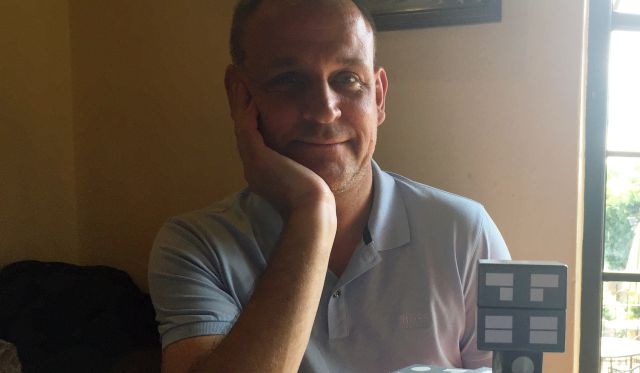
Fenton Smith says quality from the Indigo 7900 is markedly better than from the Indigo 5500 that it has replaced. This allows Boss Print to shift more work from litho, leaving that press free for high value work.